
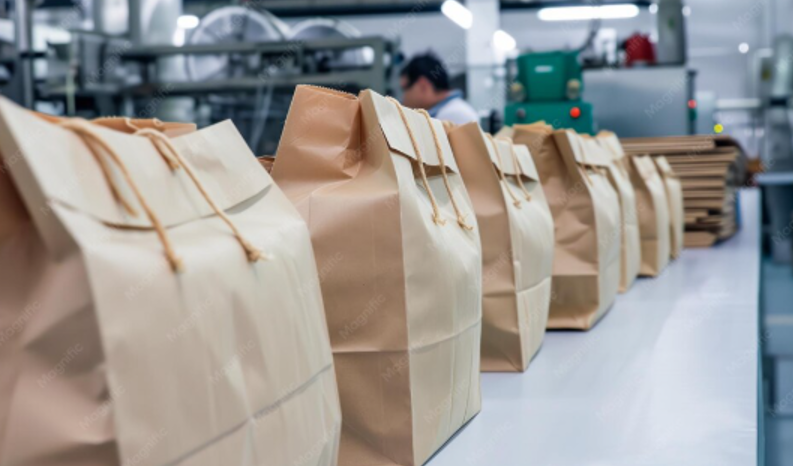
There are several packaging features that are responsible for the bag maintaining its integrity at the time of transit and storage. From tensile strength to moisture resistance and more, consider your business requirements first and understand where during transit or storage the damage may occur to get the specifications for the packaging right.
Key takeaways
- Right packaging matters: Opt for bags that can withstand the wear and tear of transit
- Multiple features need to be taken into account: Strength, sealing, moisture resistance – everything should be considered
- Check for different product needs: Different product categories call for different packaging needs
- No space for generic packaging: Bag specifications should be matched to the products as well as handling conditions
It is a misconception to think that a product gets damaged in one dramatic moment! There’s usually an accumulation of different aspects – a not-so-tight seal, a flimsy film that lets moisture in, a bag that tore under the weight of the product, and other things. All of these things can be solved with just one thing – the right packaging.
More often than not, businesses lose their products before they reach the shelves of the retail store or the customer’s doorstep, for that matter. Needless to say, this incurs huge losses. Getting the packaging right is surely one of the most fixable parts of the profit & loss chain.
So, if you want to invest in packaging bags to increase the chances of your product surviving the hassle of transit and storage, learn what features to look for before making a bulk purchase.
Why Packaging Features Are Not a Minor Detail
Products getting damaged during storage and transit is not rare. And the scale of that happening in India is proof of that.
There was a 2025 NABCONS research commissioned by the Ministry of Food Processing Industries that showed losses across 54 agricultural commodities. The loss occurred through every post-harvest stage of packaging, transportation, storage, and retail. Guava recorded the highest fruit loss at 15.05%, tomato at 11.62% in vegetable loss, and even staples like paddy and wheat had losses in the 4-5% range. And everything culminated in one thing: poor packaging caused the damage at the time of handling and transit.
Farm produce is not the only thing that gets affected. E-commerce has the same pattern. Industry data from September 2026 showed product damage at a rate of 3-8% of all returned units. This adds to the return problems that already cut into margins before damage enters the picture!
Both numbers bring us to the same conclusion: a major chunk of what gets damaged or lost in transit or storage happens due to packaging that could not save the product. This brings a business owner to the same juncture again – they ought to pay attention to the right set of features when getting bags for their products from reputable packaging bag manufacturers.
What Actually Protects a Product in Transit
Below are 5 considerations mentioned that you ought to take into account before getting packaging for your products:
1. Tensile Strength
A bag tearing under normal handling defeats its own purpose before the product even leaves the warehouse! Why this mistaken happens, though? Because the bag’s rated strength usually gets measured under static load. The manufacturer often fails to consider factors such as compression, repeated jostling, or impact happening during real transit.
- Check for the bag’s tensile strength, especially if your business deals with:
- Heavier goods like grains, hardware, or retail items transported in bulk
- Products that get stacked during storage (the bags underneath the pile bear the accumulated weight)
- Anything that has to pass through multiple handling points before final delivery
Worth Noting:Always remember that a bag with a product at rest won’t rate the same as a bag jostling with the same product in it. Be mindful of this gap so as to minimize the chances of damage.
2. Moisture Resistance
Humidity not only affects the product inside but also weakens the bag over time. Needless to say, this causes the seal to loosen, resulting in more tears during transit. This is an aspect to keep in mind if you generally deal with products that spend a lot of time in storage or transit before reaching the destination.
BOPP plastic bags are a great option if protecting the products from moisture is your biggest priority. The film these bags have holds up better over extended storage.
Important Tip:You may find a bag that performs just fine during a short trip. There is no guarantee that the same bag will hold up when traveling long distances in transit or sitting under heavy weight during storage. So, make a purchase only if the packaging ticks all the boxes.
3. Seal Integrity
Packaging with a strong material but a weak seal is still poor packaging. So, check these when purchasing:
- Heat-sealed and zip-lock closures on the bag working fine even after repeated use
- Packaging working well even after the product has been repackaged or reopened multiple times
- Seal remaining strong even under temperature shifts or repeated handling
4. Barrier Properties Against Aroma and Contamination
Packaging containing food-grade products needs to do two jobs at once – retain the product’s own scent and prevent outside odor from getting in. Failure in this can result in cross-contamination, which means that the product, no matter how fine in quality, becomes unsellable.
Businesses selling spices, coffee, and dry snacks need to pay attention to better packaging so as to not incur losses in times of transit or storage. BOPP plastic bags have the right kind of aroma-barrier lamination, and thus are considered a great choice.
Remember, the barrier level must be matched to the actual product; having a default standard won’t do any good here.
5. Material Fit for the Product Category
Mindless package purchasing will not bring you success. Talk to the packaging bag manufacturer about your requirements to match them to your product category in order to ensure that there is a lower chance of damage in storage or transit.
| Product Type | What Matters Most |
| Food and dry snacks | Moisture and aroma barrier |
| Garments and textiles | Tear resistance Clarity for retail display |
| Hardware and industrial goods | Tensile strength Puncture resistance |
| Electronics and sensitive components | Anti-static properties |
| Pharmaceuticals | Tamper-evident sealing Regulatory compliance |
Table: Essential Packaging Properties for Different Product Categories
Caution: A bag built for one category’s stress points is likely not going to cover another’s. So, reusing the same bag specifications irrespective of the product category will end up putting your business in jeopardy. Damage rates are going to increase.
See also: Belize Investment and Panama Investment: A Strategic Guide for International Investors
Final Thought
The features mentioned above are not set in stone. They are basically a handful of factors that separate a product from being intact from one that arrives damaged. Instead of aiming to fix the damage, try reversing the situation with good packaging. So, when placing a bulk order with a reliable bag manufacturer, consider these factors and adhere to the ones your business requires.
Choosing the Right Bag for the Job
Do not resort to a generic option when choosing packaging for your products! Check all factors you need for product-specific packaging, and find a reliable Indian bag manufacturer to meet packaging requirements for your business.
